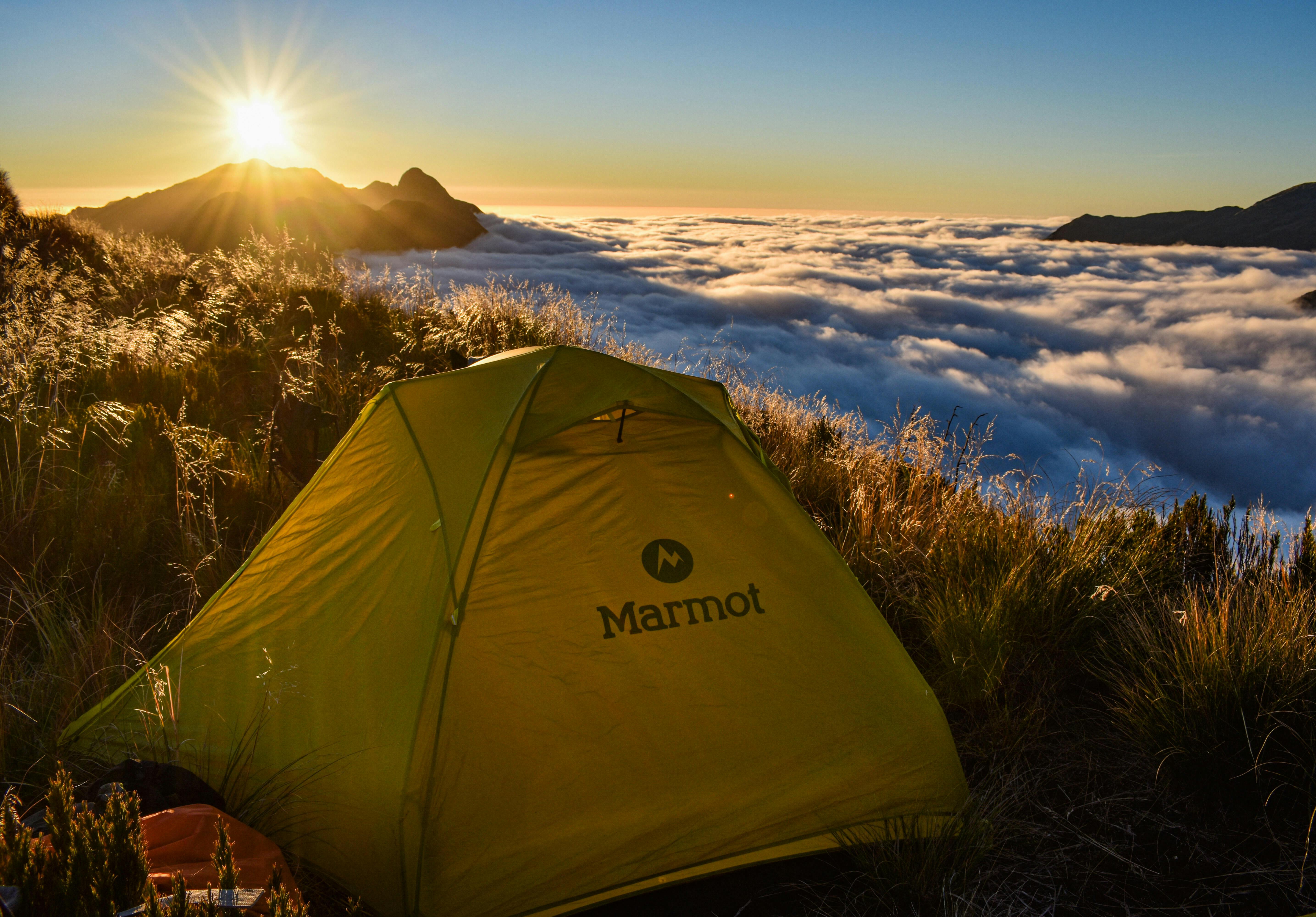
Tungsten UL 2P
- Unit price
- / per
Tungsten UL 2P
- Unit price
- / per
Choose the Right Tent for Your Adventures
From solo tramping adventures to weekends at the campsite, choosing the right Marmot tent comes down to space, weight, weather protection and comfort. Use this guide to find the best fit for your adventures.
Choosing Your Tent Capacity
Tent capacity refers to the number of people a tent is designed to accommodate, generally sleeping side by side. It does not necessarily allow additional room for packs and equipment.
| Capacity | Best Suited For |
|---|---|
| 1 Person (1P) | Solo trampers and backpackers looking to minimise weight and packed size. |
| 2 Person (2P) | Two people travelling light, or one person wanting extra space for gear and comfort. |
| 3 Person (3P) | Three people travelling light, or two people who prefer additional sleeping and gear space. |
| 4+ Person (4P+) | Families and groups who prioritise extra room and campsite comfort. |
Fit tip: If you prefer more personal space, use wide sleeping mats, or want to store equipment inside, consider sizing up in capacity.
Understanding Tent Dimensions
Two tents with the same capacity can feel very different inside. Check the following specifications when comparing models.
| Measurement | What It Means |
|---|---|
| Floor Length | The internal sleeping length. Allow enough room for your height and sleeping system. |
| Floor Width | The space available for sleeping mats and occupants. Compare it with the combined width of your mats. |
| Peak Height | The maximum internal height. Important for sitting up, getting dressed and general comfort. |
| Vestibule Area | Covered space outside the sleeping compartment, useful for storing packs, boots and equipment. |
| Packed Size | The dimensions of the tent when packed away. Particularly important for smaller tramping packs. |
Understanding Tent Weight
If you're carrying your tent on multi-day adventures, understanding the different weight measurements can help you make the right choice.
| Weight Type | What It Includes |
|---|---|
| Minimum / Trail Weight | Generally the tent body, rainfly and poles required for the standard setup. Check the manufacturer's definition for each model. |
| Packed Weight | Generally the complete supplied tent package, including poles, pegs, guylines and storage bags. |
Weight tip: When comparing tents, use the same weight measurement for each model. A lightweight tent may save valuable pack weight, while a heavier design can offer additional space, features or durability.
Choosing the Right Tent for Your Adventure
| Adventure | What to Prioritise |
|---|---|
| Solo Tramping | Low weight, compact packed size and straightforward pitching. |
| Multi-Day Tramping | A balance of weight, weather protection, ventilation and storage space. |
| Camping Weekends | Interior comfort, headroom, convenient access and durability. |
| Exposed or Alpine Conditions | Appropriate weather rating, wind-resistant construction, secure pitching and suitable site selection. |
Three-Season vs Four-Season Tents
Three-Season Tents: Generally designed for spring, summer and autumn use, balancing ventilation, weather protection and weight. Their suitability for exposed conditions varies by model.
Four-Season Tents: Designed for more demanding conditions, typically with stronger structures and greater protection from wind and snow. Always check the individual tent's intended use and limitations.
Important: A three-season tent is not automatically suitable for exposed alpine conditions or significant snow loading. Always select shelter appropriate to the forecast, location and conditions.
Vestibules, Ventilation & Comfort
Vestibules: Provide sheltered storage outside the sleeping compartment. Multiple vestibules can be particularly useful when sharing a tent.
Ventilation: Mesh panels, vents and door openings help manage airflow and reduce condensation. Condensation can still occur depending on weather and campsite conditions.
Doors: Two-door designs can make entering and leaving a shared tent easier without disturbing your tent partner.
Interior Shape: More vertical walls and pre-bent poles can increase usable headroom without significantly increasing the tent's footprint.
Before You Choose
- Decide how many people will regularly sleep in the tent.
- Check the floor dimensions against your sleeping mats.
- Consider your height and preferred sleeping position.
- Compare packed weight and packed size if you'll carry the tent.
- Check the vestibule space available for your equipment.
- Choose a tent designed for the weather and terrain you expect to encounter.
- Review the individual product specifications before purchasing.
Our advice: The lightest tent isn't always the best tent. Choose the balance of weight, space, protection and comfort that suits the way you adventure.
Please note: Tent dimensions, weights, season ratings and features vary between Marmot models. Always refer to the specifications on the individual product page for exact details.
Description
More space means more comfort, and the Tungsten Ultralight 2-Person Tent delivers without adding extra weight to your pack. Zone pre-bend construction creates vertical walls for plenty of sleeping space and headroom for stretching out. “Easy pitch" clips and poles make it easy to set up quickly. If a downpour hits, the seam-taped bathtub floor ensures you'll stay dry and resists pooling, and the rain-shield flysheet won’t stretch out if it gets wet. Stash your pack, poles, and other gear in the two vestibules and tuck a headlamp into the UV lampshade pocket.
- Zone pre-bend construction creates vertical walls for roomier sleeping area and greater head room; Strategic clip placement provides larger interior volume
- Free-standing design; Two D-shaped doors and two vestibules for gear storage
- Rain-shield polyester flysheet doesn't stretch and sag when wet and resists UV damage
- Seam-taped, full-coverage fly with vents; Seam-taped bathtub floor
- Lampshade pocket securely holds your headlamp to provide ambient light
- Color-coded "easy pitch" clips, poles, and fly
Total Weight: 1546g
Minimum Weight: 1340g
Packed Size: 24.5 x 7 in | 61 x 17 cm
Peak Height: 42in
Floor Area: 30.6 sq ft, 2.8 sq m
Floor Dimensions: 224 cm x 137 / 117 cm (Length x Width)
Vestibule Area: 9.5 sq ft, 5.5 sq ft | 0.9 sq m, 0.5 sq m
Number of Doors: 2
Number of Poles: 3
Number of Vestibules: 2
Seasons: 3-season
Main Canopy Fabric: 15d 100% Nylon No-See-Um Mesh F/R
Floor Fabric: 20D 410T NY SIL/PU1200mm, FR
Fly Fabric: 20d 100% Polyester Ripstop, Sil/PU 1200mm F/R
Pole Material: DAC NFL / Pressfit Prebends
Adding product to your cart
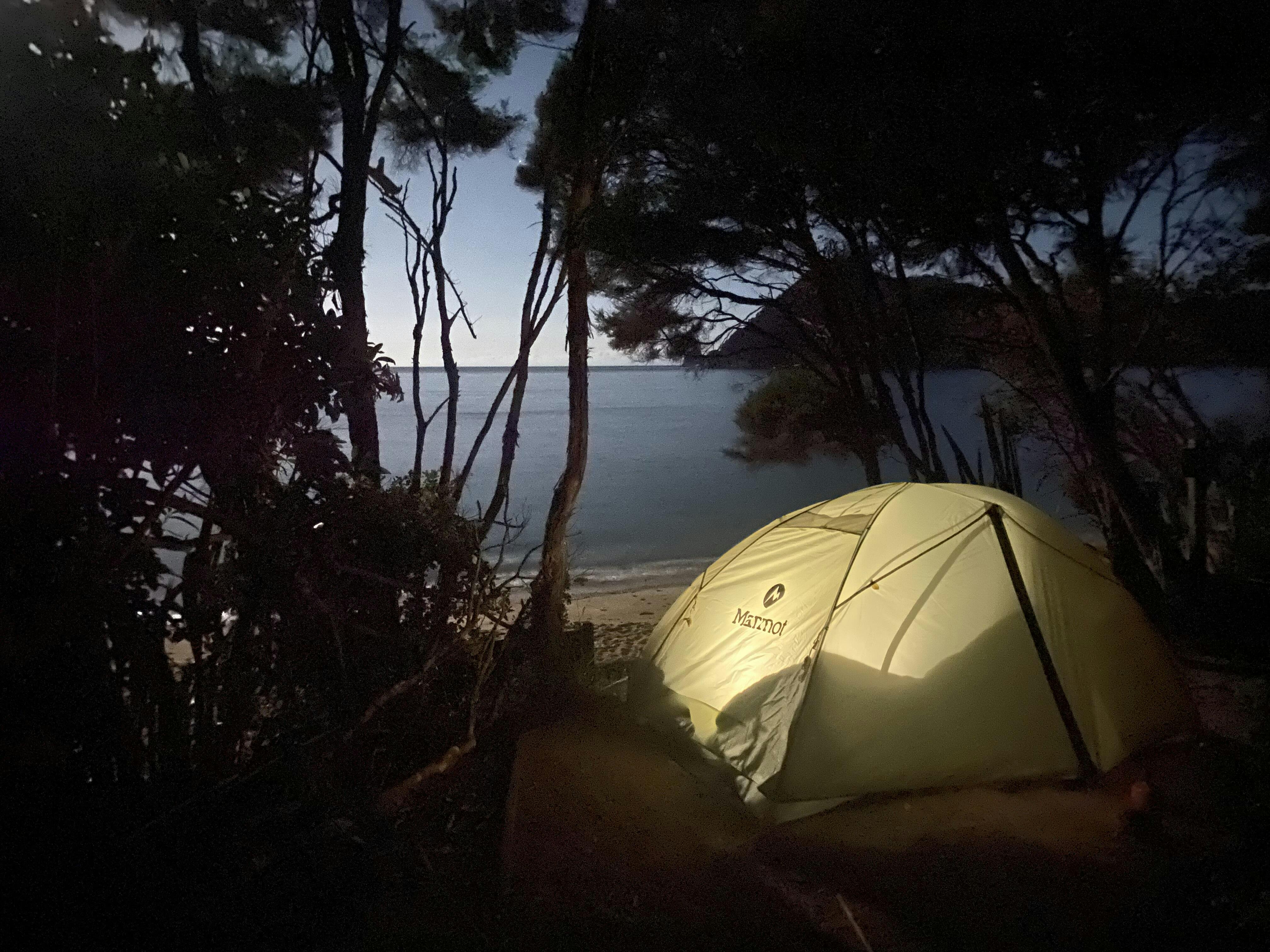
Been my home away from home for a couple of years now. I love the double doors and the extra space under the main vestibule. The best bit is the extra head room however, I can easily sit up, eat dinner and sort my gear while the rain tips down outside. Fits two adults and two border collie dogs comfortably. Hasn’t missed a beat with fairly substantial rain and wind on mountain tops, beachside, next to rivers and the odd urban paddock.
I've been using the Tungsten UL for the past 4 years and I bloody love it. Super lightweight, easy to setup and pack-down and durable enough to get the job done. I've spent over 200 nights sleeping in this tent all over the southern alps.
The only issue I've ever run into with it was down to user error camping in a stupidly exposed spot in Fiordland. Other than that it's been super reliable, I've often camped through storms with no issues so long as you spend the time finding a good campsite and tying down the guide ropes. There's plenty of tie down points to properly hunker down if need be.
It's big enough for two people to share with enough room under the fly's door compartments to store your packs. The pockets inside the tent make for handy storage so your headtorch is within reach.
It can easily be setup by one person, with a simple and effective pole design.
I'd recommend this tent as a great 3-season option for anyone keen to get off the beaten track. I've used it all through winter as well, but it's not advertised as a 4-season tent.